Monday, Oct. 12 is a federal holiday. All offices will be closed in observance. We're still monitoring Hurricane Isaias. Updates will be posted here.

Why We Make Time for Orientation
By Alex Yates, senior director of learning and talent development at Pinnacle Financial Partners
August 24, 2026
By the time Pinnacle team members arrive at Orientation, most have already been with the firm for a few months. They’ve learned the mechanics of their jobs, settled into their offices and begun building relationships with fellow team members. They’re contributing to the business.
Orientation asks them to step away from that work for an days at a time as an investment in culture.
It’s a significant commitment for them and a significant investment for the firm. Team members travel from across the footprint. Senior leaders clear their calendars. President and CEO Kevin Blair spends the better part of the week with each cohort, leading discussions, answering questions and sharing the history and strategy of the company.
The return on that investment is measured months and years later, in thousands of decisions made across hundreds of offices.
I’ve had the privilege of watching team members come through Orientation for many years. Some now lead offices, business lines and markets across our company. After a few days with us, they carry away a shared understanding of who we are, where we’ve been and what we expect of one another.
Every organization develops its own way of doing things. Processes can be documented, and policies can be explained. Culture works differently. People come to understand it through conversations, shared experiences and the example set by those around them.
That’s why Orientation occupies such an important place in the life of our company.
Over those few days, team members hear the story of why Pinnacle was founded and how its approach to serving clients has evolved. They spend time talking about business strategy, distinctive service and effective advice. They ask questions directly to the leaders responsible for shaping the firm’s direction. Kevin often says those conversations simply can’t happen through a video or a series of emails. They require people to be together.
Every company has stories that explain its culture: Why a decision was made, why a tradition began, why one approach endured while another didn’t. Those stories rarely find their way into a policy manual, yet they shape how people lead, serve clients and work together every day. Orientation is where we intentionally pass them along.
The timing is intentional.
Orientation gives team members context for experiences they’ve already begun having in their own markets. A conversation about local decision-making carries more weight after someone has watched it happen. A discussion about collaboration carries more meaning once they’ve depended on colleagues on a support team. The ideas we talk about in Orientation have somewhere to land.
That has become even more important as Pinnacle has continued to grow.
The combination with Synovus brought together two organizations with rich histories, strong cultures and a shared commitment to serving clients well. Bringing those traditions together requires so much more than integrating technology and processes. Every team member needs a common understanding of where the combined company is headed and the values that will guide it along the way. Orientation creates space for those conversations. Team members hear why certain decisions were made, where the company is headed and what leaders expect the combined organization to become.
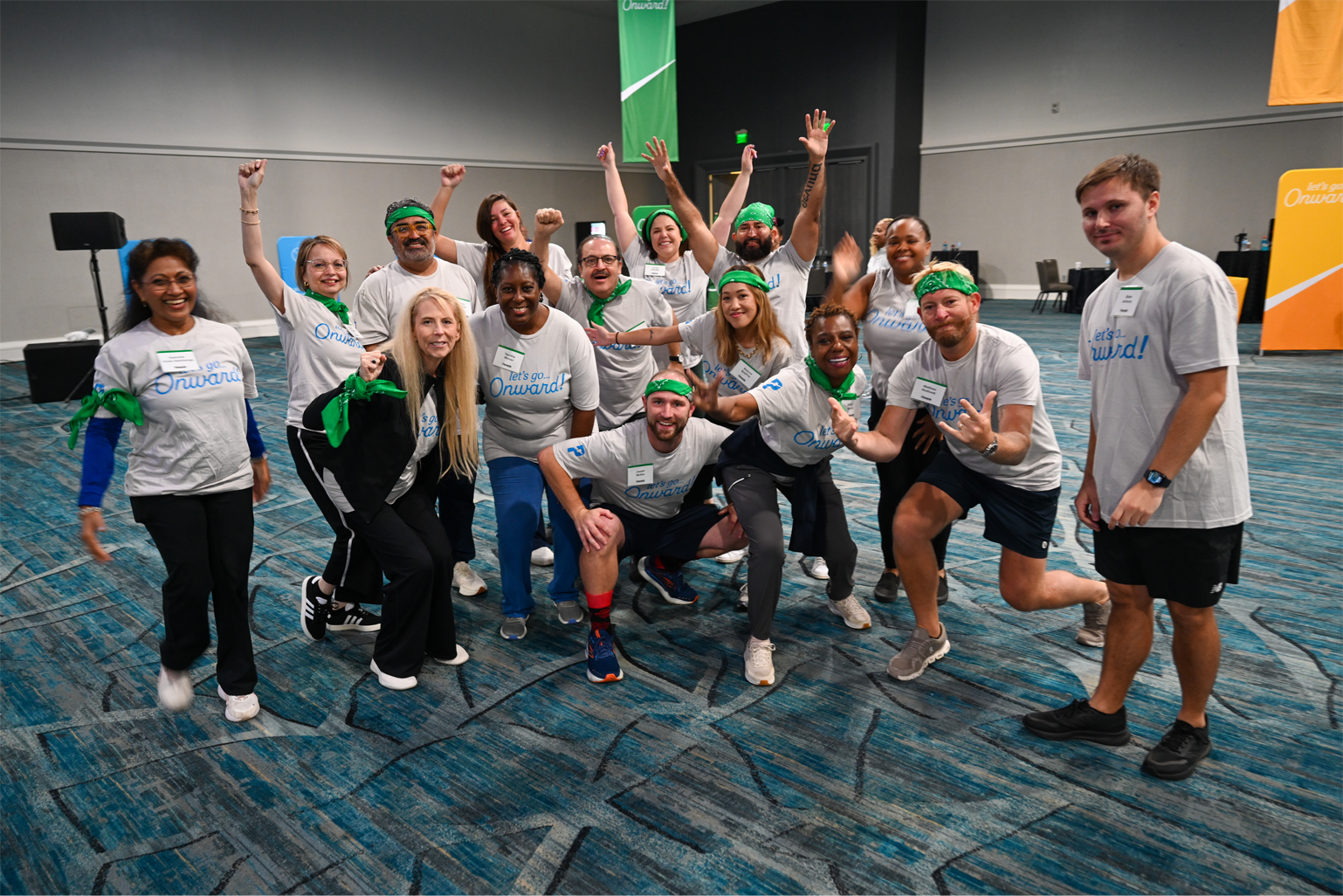
And then suddenly on the final day, every participant stands in front of a 12-foot wall.
This goes beyond typical team-building activities, though we have plenty of those, too. They’re asked to do what seems impossible – scaling a 12-foot wall. “I can’t do this. How can they expect all of us to climb this high?”
Before long, they’re reminded that they aren’t alone. People they’ve never met before are lifting, spotting and pulling them over until every person conquers the wall.
We watch the same progression every time. Initial hesitation gives way to teamwork. Skepticism gives way to celebration. By the end, people who wondered what the wall had to do with banking usually understand why it has become a symbol for Orientation.
When the program concludes, team members return to their offices with a broader understanding of the company they joined and the role they play in it. They leave knowing more about our history, our strategy and the expectations that accompany the Pinnacle name. Just as importantly, they’ve spent time with colleagues they’ll continue to know long after those few days are over.
Every Orientation class is different. The questions change. The stories evolve as the company grows. What doesn’t change is the responsibility to help every new team member understand the company they’re joining and the culture they’ll help shape.
That’s work worth making time for.
Quick Links